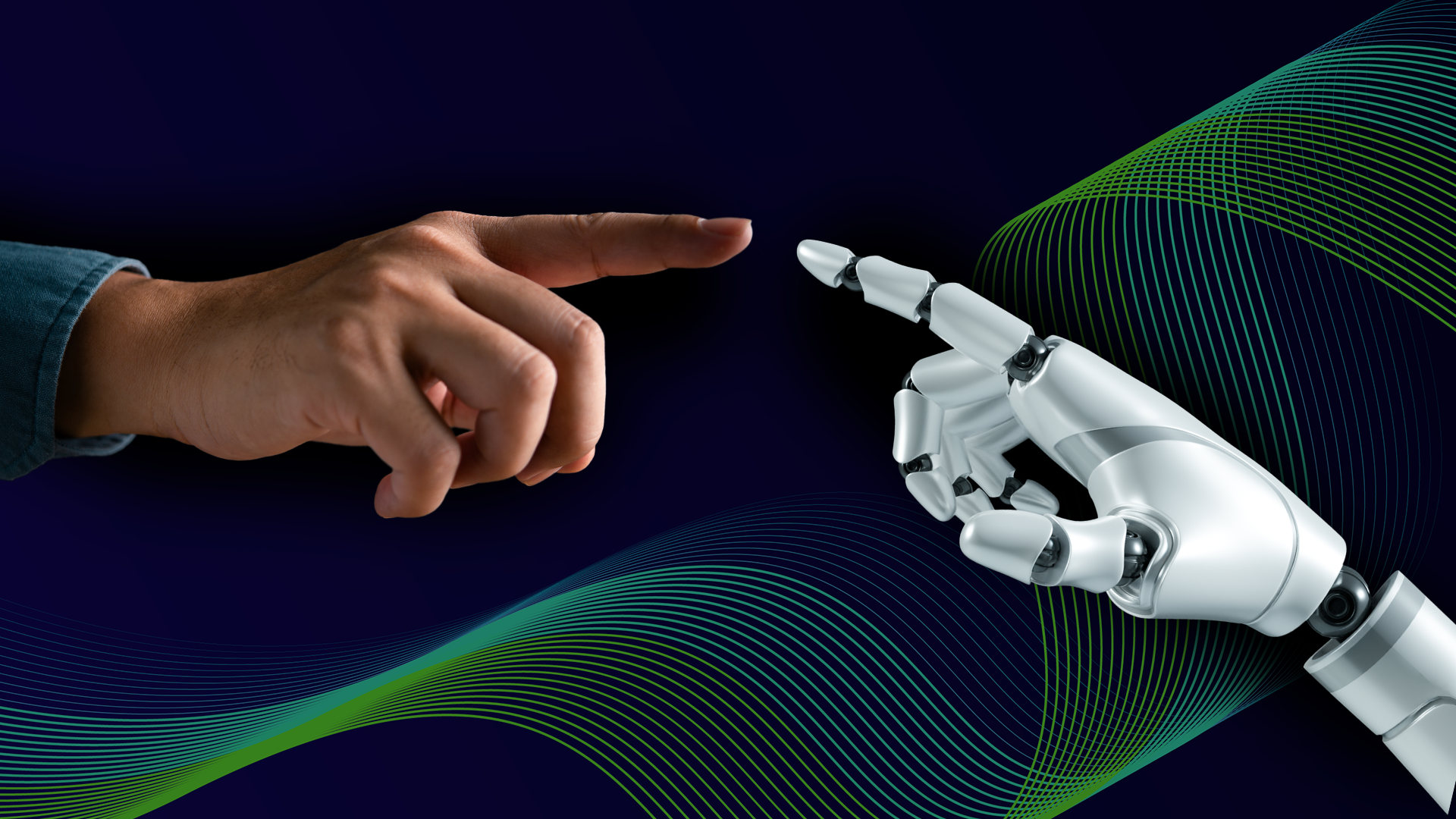

The future of editorial work is not a contest between AI and human editors, but a partnership that multiplies value. Combining AI and human in the loop workflows enables faster content production, rigorous accuracy and consistent brand voice for UK organisations. This listicle examines six areas where each contributes most.
1. Rapid research and synthesis
AI excels at scanning vast datasets, summarising trends and surfacing references in seconds, which accelerates content research and reduces time to insight. McKinsey finds that generative AI can materially increase productivity across knowledge work, amplifying human analysts rather than replacing them. AI tools can generate annotated summaries and suggested source lists that editors can then vet, shortening research cycles and freeing senior staff for strategic work.
2. Grammar, consistency and localisation at scale
Modern AI models produce grammatically polished drafts and adapt tone across regions, helping teams scale content while maintaining quality. GPT‑4 demonstrated strong language and stylistic capabilities in benchmark testing conducted by its developers, At scale, this reduces manual pass-through edits and supports localisation for UK audiences across sectors such as finance and healthcare.
3. Fact‑checking and verification
AI can introduce hallucinations; so humans remain essential for verification. Effective editorial workflows place humans in the loop to validate claims, sources and regulatory compliance. We recommend human oversight and audit trails where AI contributes to decision‑critical content, to mitigate legal and reputational risk.
4. Tone, nuance and brand stewardship
Human editors interpret context, cultural nuance and corporate values in ways AI cannot reliably replicate. Editorial judgement preserves trust, ensuring content resonates with audiences and complies with sector-specific obligations. Humans also arbitrate ambiguous cases, balancing commercial objectives with regulatory constraints and public sentiment.
5. Efficiency through blended workflows
Hybrid processes – AI for drafting and human for review – reduce cycle times and cost while preserving accuracy. Organisations are adopting blended models to achieve higher throughput without sacrificing control. Leaders can pilot hybrid teams to measure time saved per article and compliance incident rates before scaling.
6. Continuous learning and governance
Human editors curate feedback, correct AI errors and refine prompts, creating a virtuous loop that improves model outputs over time. Robust governance, change management and skills investment are prerequisites for scaling hybrid editorial operations in UK businesses. Continuous human feedback improves prompt design, reduces hallucinations and feeds governance records required for audits.
AI and Human: Better Together
For content creators in the UK, the pragmatic path is AI and human working together. AI delivers scale and speed for content production; human editors ensure accuracy, compliance and the human connection that sustains trust. Organisations that adopt human‑in‑the‑loop editorial models can achieve superior outcomes with controlled risk – and unlock significant productivity gains while managing risk.ernance and collaborative editing. Combining both yields a pragmatic model for modern content operations.
Discover how organisations are combining AI generation with expert editorial oversight.